
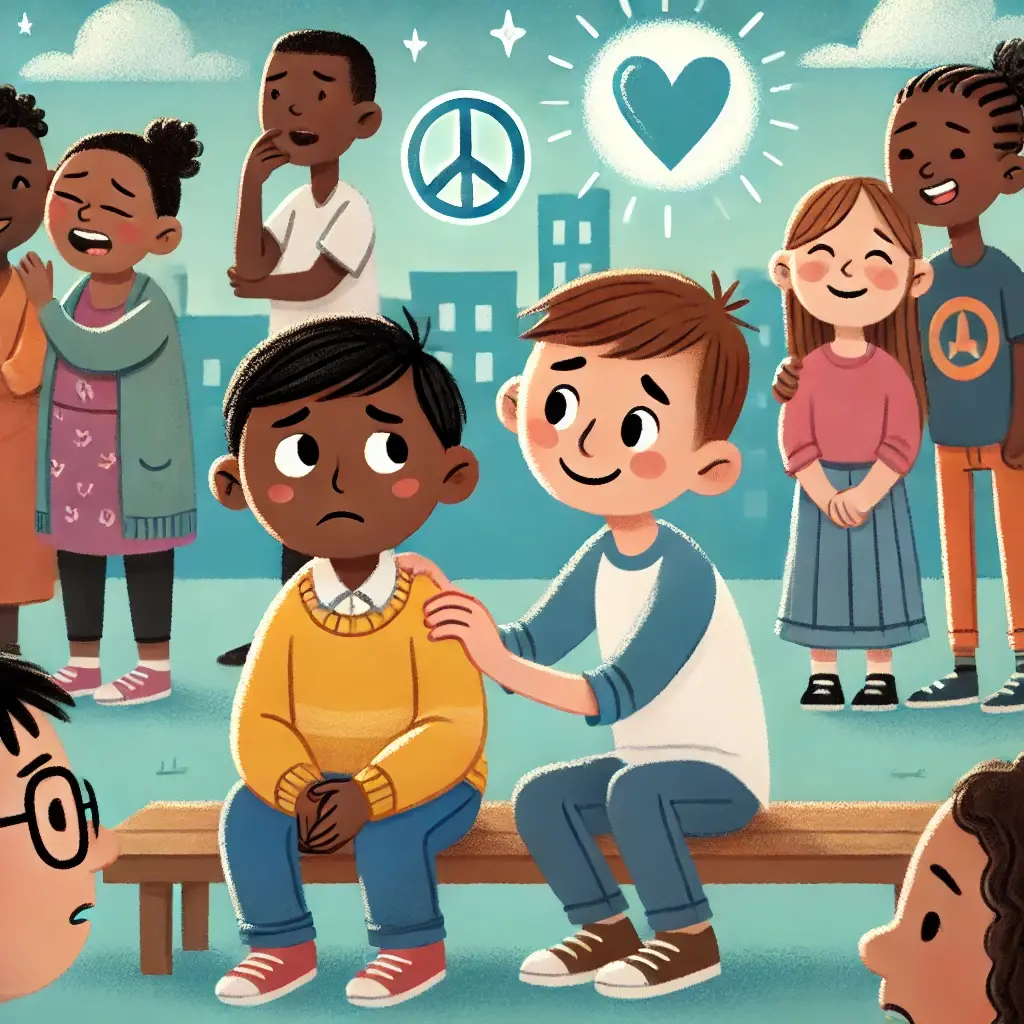
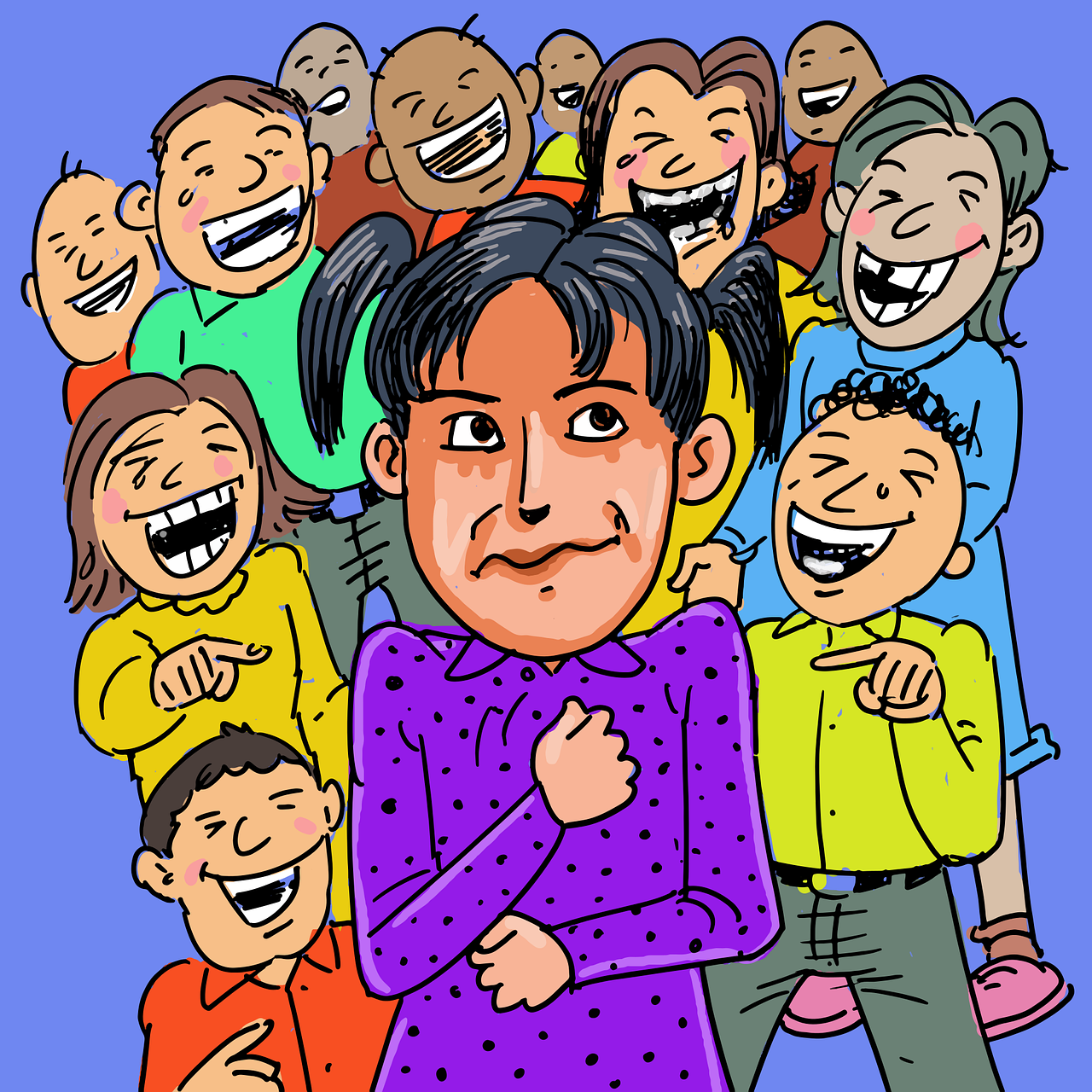
As parents, one of our most important roles is to ensure our children feel safe, supported, and understood. Bullying is a serious issue that affects children and teens of all ages, and it can have lasting emotional, social, and psychological impacts. Fortunately, there are ways we can equip our children with the tools they need to navigate bullying situations, whether they are victims, bystanders, or even engaging in bullying behaviour themselves.
What is Bullying?
It is more than just occasional teasing or arguments among children. It is intentional, repeated behaviour aimed at harming another person. Bullying can take many forms:
- Physical: Hitting, pushing, or damaging someone’s property.
- Verbal: Name-calling, teasing, or making hurtful comments.
- Social: Excluding someone, spreading rumours, or manipulating friendships.
- Cyber: Using technology (social media, texts, online gaming) to harass or intimidate.
Understanding the different forms of bullying can help parents identify the issue early and intervene effectively. It’s essential to realize that it can happen anywhere—at school, on the playground, or even online.
Signs Your Child May Be Bullied
It often goes unnoticed because children may be too afraid or ashamed to speak up. As a parent, it’s crucial to watch for signs that your child may be experiencing bullying. Some common signs include:
- Changes in behaviour or mood: Children may become withdrawn, anxious, or depressed.
- Physical complaints: Frequent headaches, stomach aches, or other unexplained physical issues.
- Avoidance of school or social situations: Your child may try to avoid going to school or social events due to fear of encountering the bully.
- Decline in school performance: Bullying can cause emotional distress that impacts a child’s ability to concentrate or participate in schoolwork.
- Unexplained injuries: If your child has bruises, scratches, or other injuries they can’t explain, they may be trying to avoid telling you about physical bullying.
It’s important to be sensitive and patient if your child opens up about bullying. Reassure them that they are not at fault and that you’re there to support them.
How to Talk to Your Child About Bullying
One of the best ways to prevent bullying is to create an open, supportive environment where your child feels comfortable talking to you. Here are some strategies for initiating a conversation:
- Start early: Don’t wait for a problem to arise. Talk to your child about bullying at a young age, so they know what it is and why it’s harmful.
- Use simple language: Tailor your discussion to your child’s age and developmental level. Younger children may benefit from talking about bullying through stories, while older children may understand more direct conversations.
- Listen actively: When your child expresses concerns, listen without interrupting or judging. Show empathy and ask open-ended questions like, “How did that make you feel?” or “What happened next?”
- Reassure them: Make sure your child understands that bullying is never their fault and that it’s okay to ask for help.
By fostering an open dialogue, you can create an environment where your child feels safe sharing their experiences.
Tips for Parents to Prevent Bullying
As parents, you have the power to play a key role in preventing bullying before it happens. Here are some strategies to encourage kindness, respect, and empathy in your child:
- Model positive behaviour: Children often imitate the behaviours they see at home. Show your child how to treat others with kindness, respect, and empathy. Demonstrating how to handle conflicts peacefully can teach your child to do the same.
- Encourage inclusivity: Teach your child to value diversity and be inclusive of others, regardless of differences in appearance, ability, or background. Encourage friendships with a wide range of peers.
- Teach problem-solving skills: Help your child develop the skills they need to handle conflict constructively. Teach them to walk away from situations where they feel unsafe, use “I” statements to express their feelings, and seek adult help when necessary.
- Get involved in their social life: Take an active interest in your child’s friendships and school life. Attend school events, encourage extracurricular activities, and stay involved in their social circles. This can help you better understand their social dynamics and intervene early if bullying occurs.
What to Do if Your Child Is Being Bullied
If your child comes to you with concerns about bullying, it’s essential to take their claims seriously and act promptly. Here’s how you can support your child:
- Listen and validate their feelings: Let your child know that their feelings are valid and that you’re proud of them for speaking up. Reassure them that you’re there to help.
- Report the bullying: Work with your child’s school to address the issue. This might include reporting the bullying to school staff or setting up a meeting with the principal or counselor.
- Develop a safety plan: Help your child identify safe spaces or trusted adults they can go to if bullying happens again. Discuss strategies they can use to stay calm and confident in challenging situations.
- Stay involved: Continue checking in with your child to ensure they feel supported and safe. Stay in communication with the school to monitor the situation.
What to Do if Your Child Is the Bully
It’s difficult, but it’s also important to address bullying behaviour if your child is the one engaging in it. Start by talking to your child about the impact of their actions and encourage them to take responsibility. Work with their school and other adults to create a plan for improving their behaviour. Therapy or counselling may also help your child understand why they act out and how they can develop healthier ways to express their emotions. Want to learn more? We have lots of tools and resources for parents including ones about bullying. You can find them here
Conclusion
As a parent, you have an important role in helping your child handle bullying and social challenges. By encouraging kindness, empathy, and open communication, you can support them in standing up to bullying—whether they’re affected directly or as a bystander. Create a safe space where your child feels comfortable sharing their feelings. If your child is experiencing bullying and doesn’t have someone they can regularly talk to, connecting with a counsellor can make a world of difference. Our team is here to help—book a session today to give your child the tools and support they need to thrive.

