
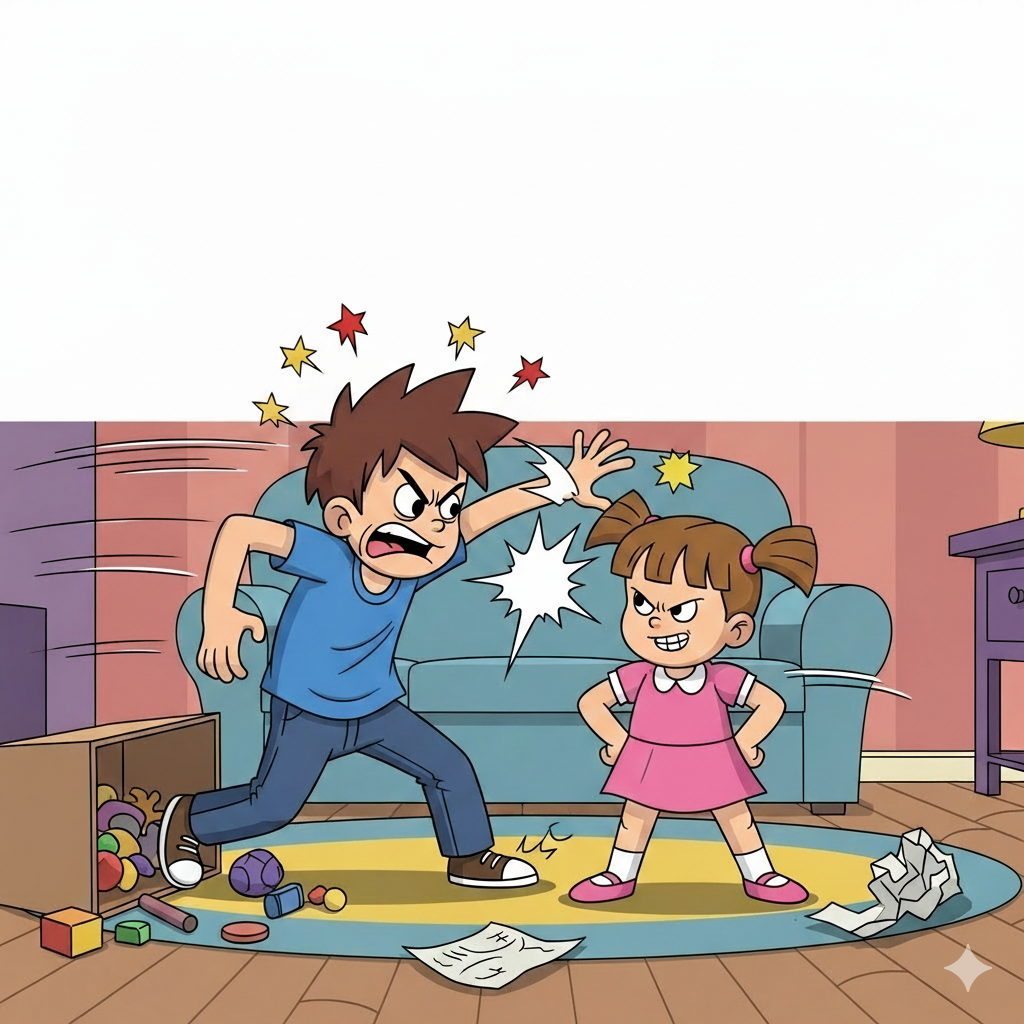
As a parent, it’s easy to dismiss your children’s constant bickering as typical sibling rivalry. After all, isn’t it just part of growing up? But what if there’s something more beneath the surface? Understanding the root causes of sibling conflict can transform your approach to parenting and help foster a more harmonious home environment.
The Hidden Triggers of Sibling Conflict
While occasional squabbles are normal, persistent fighting may signal underlying issues. Factors such as lack of structure, tension within the family, and unmet emotional needs can exacerbate sibling rivalry. According to Robert Taibbi L.C.S.W, children who perceive favouritism or unequal treatment can develop resentment, which fuels repeated conflicts. Similarly, if parents are stressed or preoccupied, kids may act out to gain attention—even if it’s negative.
For practical tips on creating structure and setting expectations, check out our Parenting Hub to help guide daily routines and family rules.
Moving Beyond “Typical” Rivalry
It’s crucial to recognize that not all sibling conflict is harmless. Behaviours like name-calling, physical aggression, or exclusion can have lasting emotional effects. As noted by Janet Sasson Edgette Psy.D., addressing these behaviours promptly and setting clear boundaries is essential.
Instead of labeling such actions as “just sibling rivalry,” approach them as opportunities to teach empathy, respect, and conflict resolution. Encourage your children to express their feelings and listen to each other’s perspectives. For step-by-step strategies, our Family Counselling Services page offers guidance on helping siblings navigate conflict.
Practical Strategies for Parents
- Establish Clear Family Rules – Collaborate with your children to create a set of guidelines promoting respect and cooperation. Display these rules prominently to remind everyone of expectations.
- Implement Fair Sharing Systems – Use timers, charts, or designated turns to ensure equitable sharing of toys, electronics, or responsibilities. This can prevent disputes before they start.
- Model Positive Behavior – Demonstrate effective communication and problem-solving skills. Children often emulate their parents, so showcasing calm and constructive responses can influence their behaviour.
- Provide Individual Attention – Spend one-on-one time with each child to fulfill their emotional needs and reduce feelings of neglect. Learn more about how quality time reduces sibling rivalry.
- Seek Professional Guidance When Needed – If conflicts persist or escalate, consider consulting a child psychologist or family therapist to address deeper issues. Trusted resources like the Child Mind Institute can help you determine when professional support is needed.
Recognizing When to Seek Help
If sibling conflicts are frequent, intense, or accompanied by signs of anxiety or depression, it may be time to seek professional assistance. Early intervention can prevent long-term emotional challenges and help your children develop healthier relationships. Our Counselling Services provide personalized support for families navigating sibling tension.
Remember, sibling rivalry doesn’t have to be a given. With proactive strategies and a compassionate approach, you can turn these challenges into opportunities for growth and connection within your family.

