
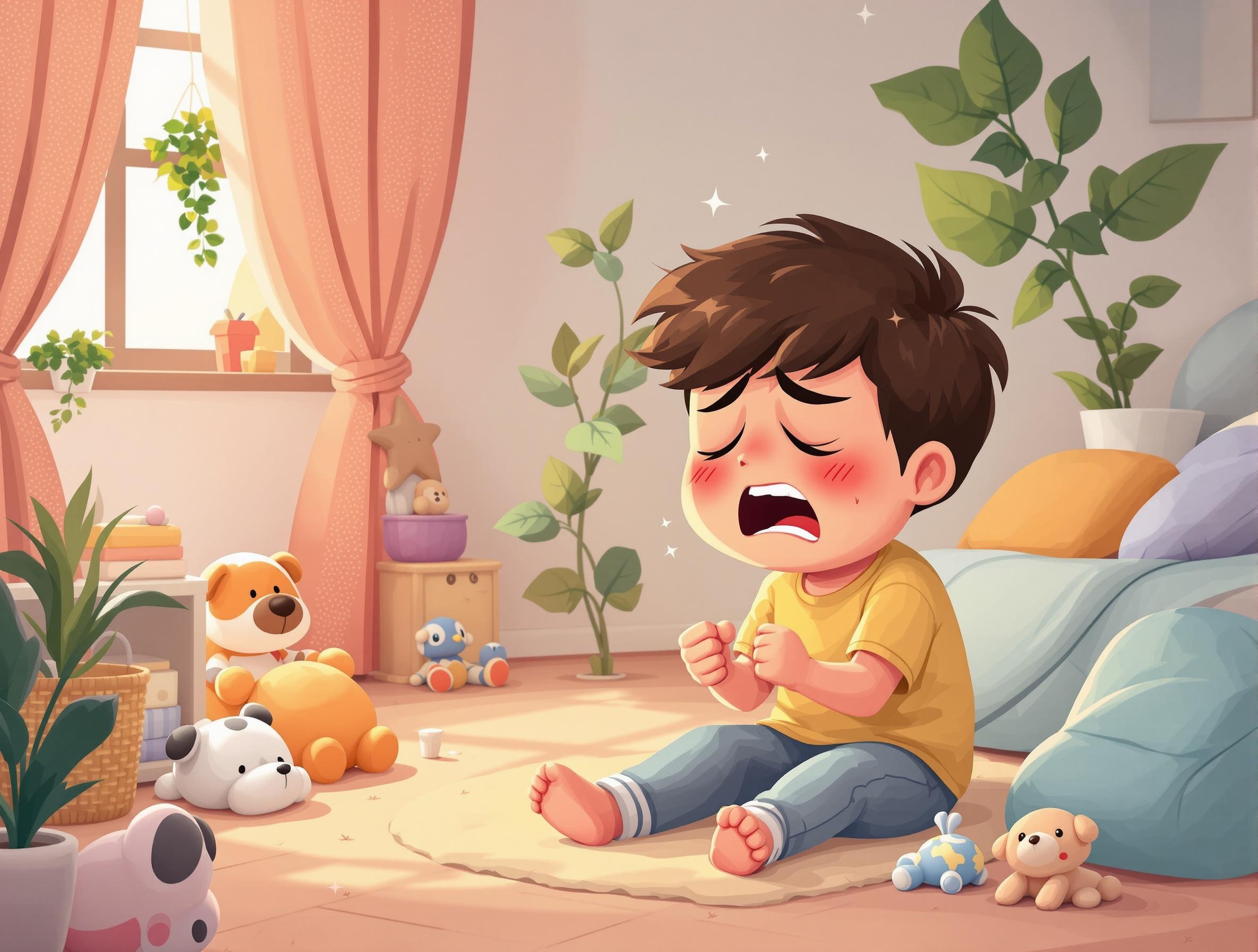
If your 7- or 10-year-old has ever collapsed into a puddle of tears over the wrong colour cup or screamed “You don’t understand me!” before slamming their bedroom door, you’re not alone. Many parents expect tantrums to end with the toddler years. But the truth is, emotional outbursts in older kids are completely normal—and more common than we often talk about.
So, Why Is This Still Happening?
As kids grow, their emotions become more complex, but their ability to manage them doesn’t always keep pace. The brain’s prefrontal cortex, responsible for logic and self-control, continues developing into early adulthood. This means even older kids—and yes, even teens—can still be impulsive, reactive, and overwhelmed by big feelings. Harvard University explains that the areas of the brain responsible for self-regulation are under construction well into adolescence.
At Tutum Counselling, we often work with families who feel confused by these moments. “Why is my 9-year-old acting like a 3-year-old again?” they ask. It’s not regression—it’s dysregulation. Your child is not trying to give you a hard time; they’re having a hard time.
What Tantrums Look Like in School-Aged Kids
Emotional outbursts don’t always look like floor-pounding tantrums. Sometimes, they show up as:
- Backtalk or sassiness
- Crying over seemingly small things
- Storming off or shutting down
- Overreacting to sibling conflict
Older kids may use more words or show more defiance, but the root is often the same: a nervous system that’s overwhelmed and under-supported in the moment.
How Parents Can Help
The good news is, there are concrete ways to help your child build emotional resilience. First, stay calm—your regulated presence is the anchor they need. You don’t have to fix the emotion right away. Sometimes, just saying “I see you’re really upset right now. I’m here when you’re ready to talk,” can be incredibly powerful.
At home, try using tools like a feelings thermometer or zones of regulation chart to help your child recognize their emotions before they escalate. We share these kinds of resources often in our monthly newsletter and Instagram tips for parents.
If your child struggles with frequent or intense outbursts, consider a one-on-one parent session to dig deeper. You don’t have to navigate this alone—book a free consultation with one of our therapists to get started.
Final Thoughts
Tantrums don’t magically disappear after preschool. Instead, they evolve. Understanding what’s underneath your child’s behavior can shift how you respond—and help your child grow stronger, not more ashamed, in the process.
Need more ideas? Check out our blog post on Helping Kids Manage Overwhelm, or explore our guide to Parenting kids with ADHD if you’re trying to support your child while managing your own mental load.
You’re doing better than you think. Let’s keep building those confident kids—together.

