
Children, just like adults, experience moments of overwhelm, frustration, or anxiety. Having a dedicated calm corner at home can provide them with a safe space to retreat and self-regulate when emotions run high. Creating such a space doesn’t have to be complicated or expensive. With a few intentional steps, you can set up a soothing environment for your child to relax and process their emotions. Here’s how:
1. Choose the Right Location
The first step in creating a calm corner is picking a spot that’s quiet and free from distractions. It doesn’t need to be a large space; even a small corner of a room or a cozy nook will do. The goal is to provide a peaceful area where your child can feel safe and undisturbed. Avoid areas with heavy foot traffic, such as the living room or kitchen, and opt for spots like a bedroom corner, a reading nook, or even a space under the stairs.
2. Make It Comfortable
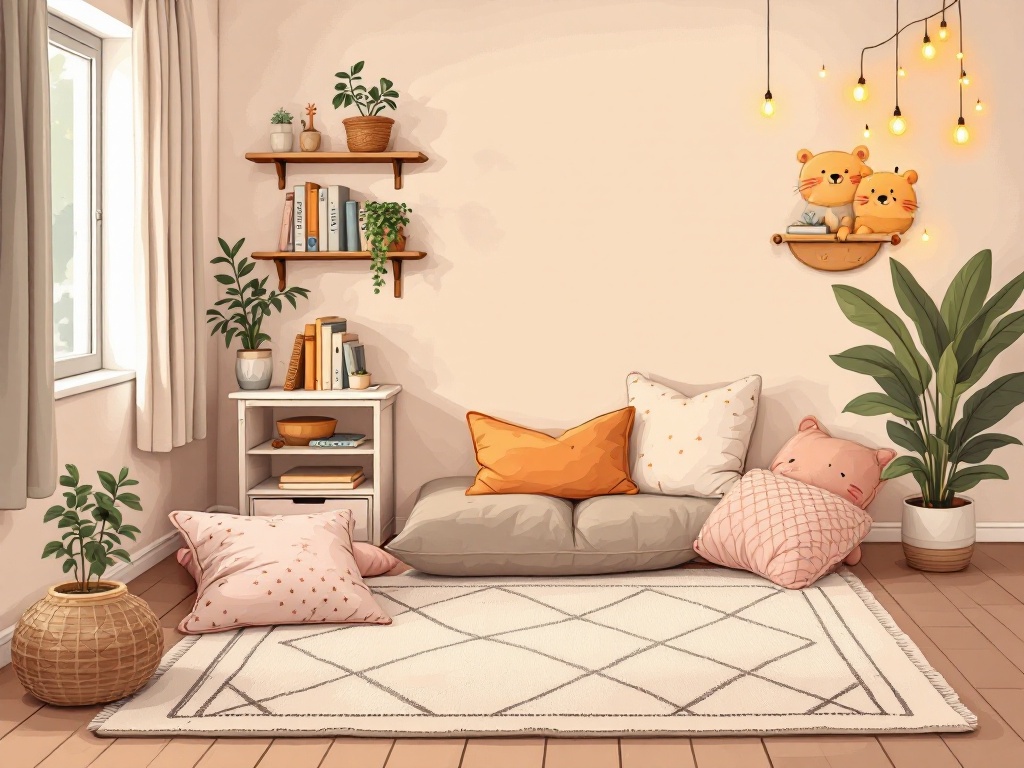
Comfort is key in making the calm corner inviting. Add soft elements like cushions, pillows, bean bags, or a small chair to sit on. You can also lay down a cozy rug or blanket to create a warm, snuggly atmosphere. The idea is to make it a space where your child feels at ease and relaxed, so let them have a say in picking out their favourite colours and textures for the space.
3. Incorporate Calming Tools
Equip the calm corner with tools and objects that can help your child calm down and focus on their emotions. Here are a few ideas:
- Fidget Toys: Items like stress balls, sensory bottles, or squishy toys can help children release tension and refocus.
- Weighted Blanket or Lap Pad: The gentle pressure from a weighted blanket can be very soothing for children, especially those who may experience anxiety or sensory overload.
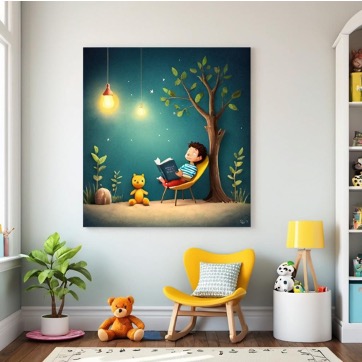
- Soft Lighting: Use soft lamps or string lights instead of harsh overhead lighting to create a calm ambiance.
- Noise-Canceling Headphones or Soft Music: Some children respond well to calming sounds or music. You could include a small speaker with natural sounds or instrumental music, or even noise-canceling headphones to block out distractions.
- Books or Journals: Depending on their age, having a few books about emotions or a simple journal to write or draw in can help children express what they’re feeling.
4. Use Visuals for Emotional Regulation
Visual aids can help guide your child through the process of calming down. You can put up a small poster or chart that shows different feelings and how to manage them. For instance, a chart of “feeling faces” can help younger children identify their emotions, while a list of coping strategies like “take deep breaths” or “count to ten” can offer older children ways to self-soothe.
5. Teach Your Child How to Use the Calm Corner
Creating the calm corner is only the first step—teaching your child how and when to use it is equally important. Explain that the calm corner is a special place where they can go whenever they feel upset, angry, or overwhelmed. Encourage them to use the space when they need to, but remind them that it’s not a punishment or time-out area. Instead, it’s a tool for helping them regulate their emotions.
You can also model the behavior by showing them how you would use the calm corner, perhaps by sitting quietly and using deep breathing or fidget tools yourself. This helps normalize the space as a positive, helpful tool for emotional regulation.
6. Personalize It
Allow your child to add personal touches to the calm corner. Whether it’s their favorite stuffed animal, a small piece of artwork, or a family photo, adding familiar, comforting items can make the space feel like their own. Personalization ensures that the corner reflects their unique preferences and makes it more appealing for them to use regularly.
Creating a calm corner at home is a simple, yet effective way to help your child manage big emotions. By offering them a dedicated space to decompress, you’re giving them the tools they need to build emotional resilience and self-regulation skills. With just a few calming tools and a comfortable setup, your child will have a safe space to retreat whenever they need it most.
Feeling Crafty? Check out our step by step guide to creating a DIY Glitter Jar for mindfulness with your children!
Want to stay informed with the latest from Tutum Counselling? Check out our Instagram to stay up to date on the latest articles and information!

